

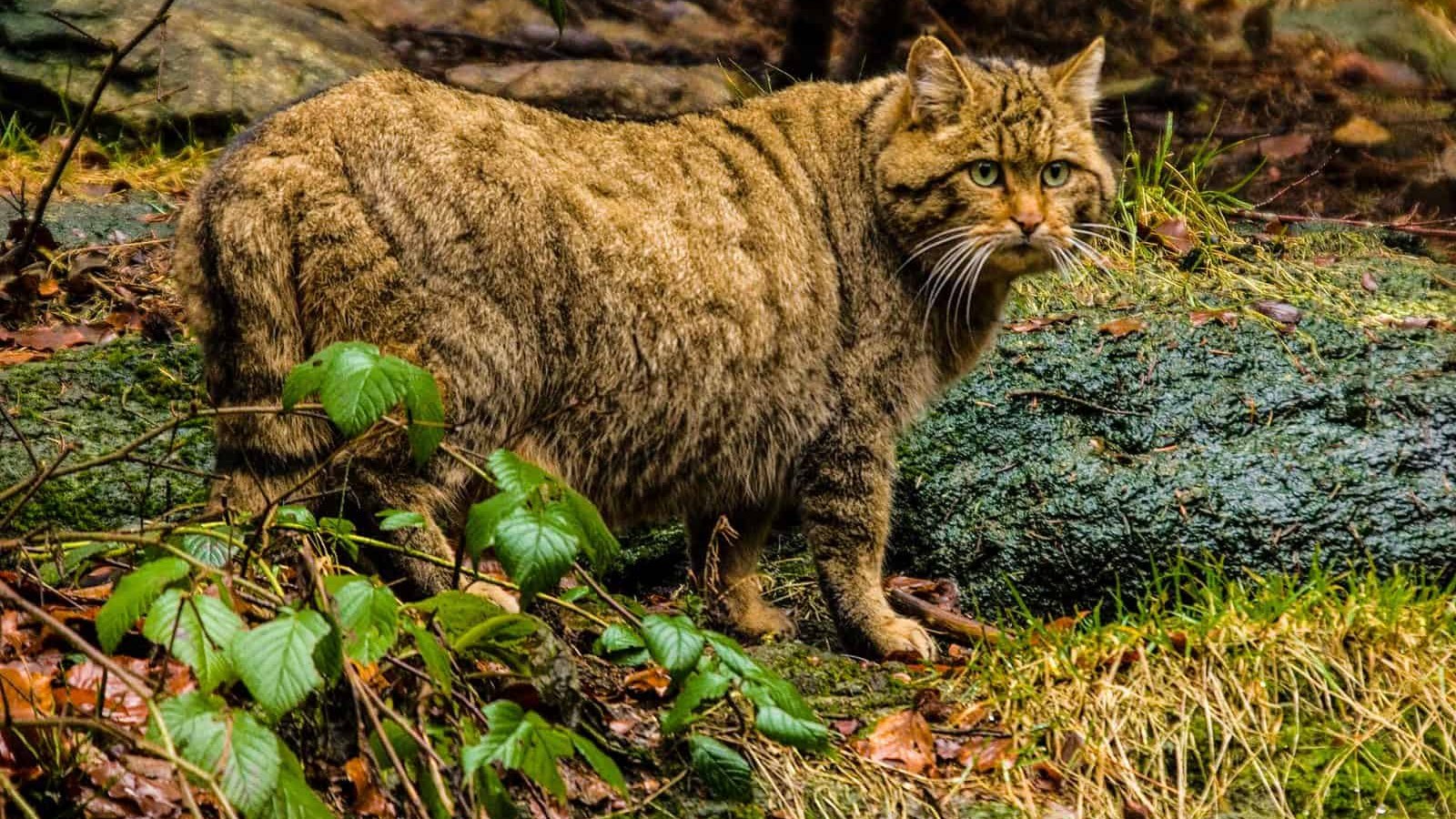
Harmusch has participated since 2016 in an ambitious diagnostic census project of the European wildcat (Felis silvestris silvestris) in Spain, in collaboration with Rey Juan Carlos University and EEZA-CSIC.
The project began with a pilot study in Sierra de Grazalema Natural Park (Cádiz) in 2016. From 2017 onward, the research expanded to the province of Granada, where a team from the University of Granada, in close collaboration with Harmusch, has accumulated five years of data on demography, reproductive biology, and eco-epidemiology of the species in the Iznalloz area.
In 2020, the first large-scale population estimate in Andalusia was launched, covering nearly 90,000 km² through sampling blocks with camera traps. The results revealed a concerning situation: an average density of just 6.9 individuals per 100 km², with a total population estimated at around 1,000 specimens in Andalusia — approximately 500 in Sierra Morena, 400 in the Subbética ranges, and barely a dozen in Doñana.
Extreme habitat fragmentation and low density were identified as the main threats to the species, more so than hybridization with domestic cats, which appears to be low in Andalusian populations. However, in other areas of the Peninsula such as Castilla-La Mancha, hybridization rates are higher.
In April 2023, Harmusch organized the First National Technical Conference on the European Wildcat at Las Lagunas de Ruidera Natural Park (Ciudad Real), bringing together more than 100 researchers, managers, and naturalists. In November 2024, a second meeting was held in Sierra de Guadarrama National Park to analyze the progress of the national census, which confirmed worrying population discontinuities, especially in the southwestern quadrant of the Peninsula.
The authors of the study propose raising the species’ protection status in Andalusia from "special interest" to "vulnerable", to activate mandatory conservation measures.
Keywords
Methodology
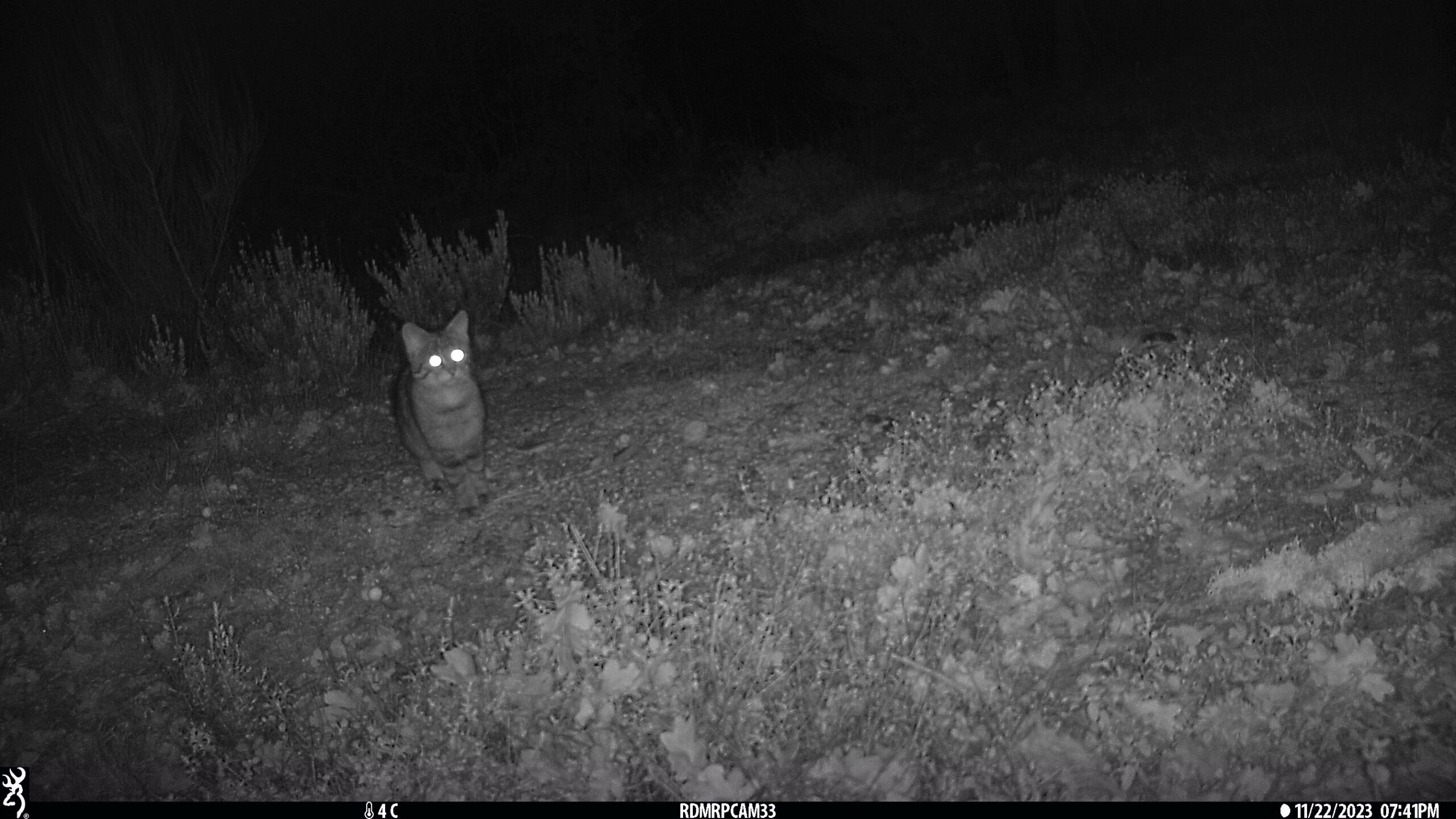
- Camera trapping: Sampling blocks with 12 camera traps per block, operating for 60 days, covering nearly 90,000 km² in Andalusia
- Expeditions carried out: Molecular genetic analysis for individual identification and assessment of hybridization rates with domestic cats
- Survey routes: Habitat distribution modeling and density estimation using spatial capture-recapture
Results
- Population: Estimated density of 6.9 individuals/100 km²; total population in Andalusia of approximately 1,000 specimens
- Threats identified: Extreme habitat fragmentation and low density as the main threats; low hybridization in Andalusia but higher in Castilla-La Mancha
Collaborators
- Rey Juan Carlos University (Dr. Emilio Virgós)
- EEZA-CSIC
- University of Granada
- Castilla-La Mancha Regional Government
- Natural History Society of Castilla-La Mancha
Derived publications
- Gil-Sánchez, J.M. et al. (2020). Fragmentation and low density as major conservation challenges for the southernmost populations of the European wildcat. PLoS ONE 15(1): e0227708.