

Wildlife Study & Conservation · since 2010
We research to conserve endangered wildlife.
Harmusch works in the Atlantic Sahara and the Iberian Peninsula to recover species and ecosystems on the brink of extinction.
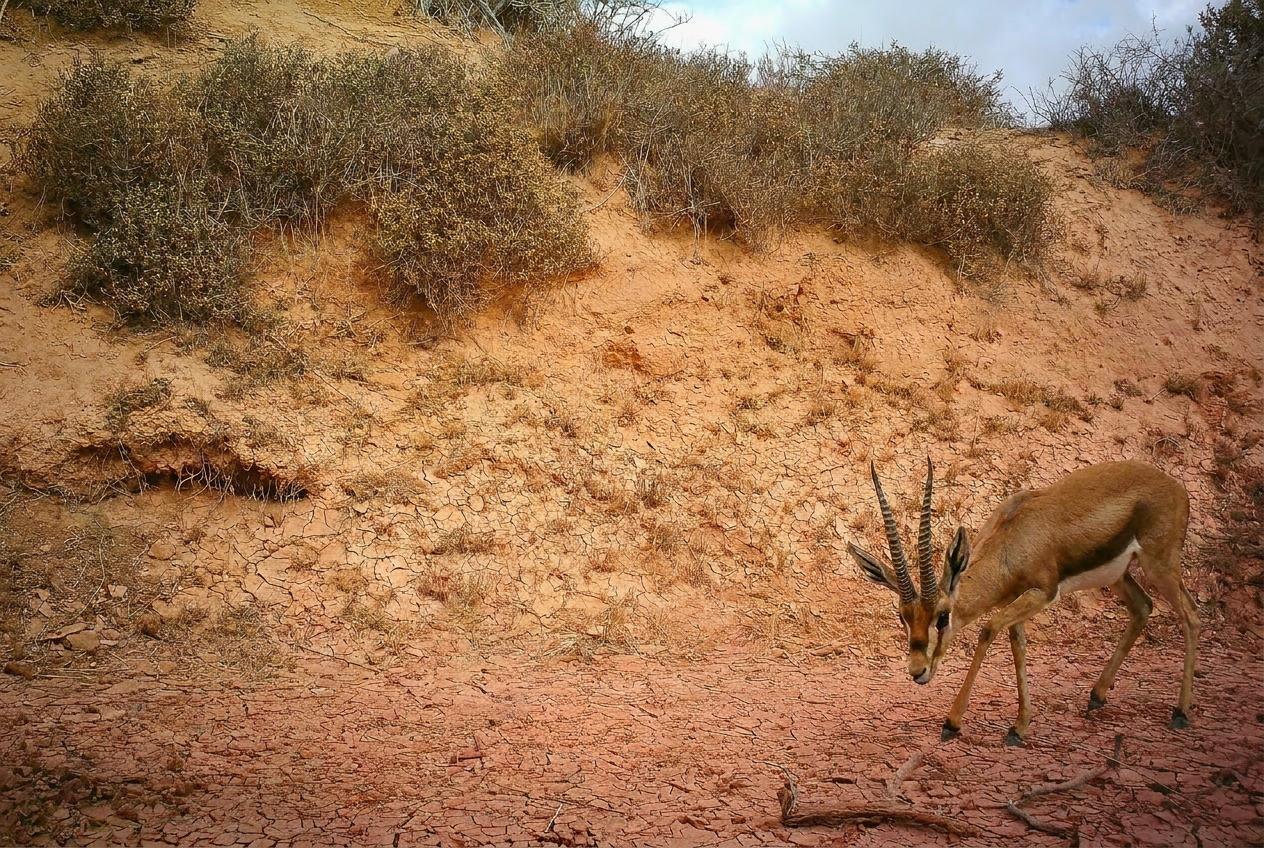
"Harmusch" is the Hassaniya name for the Cuvier's gazelle.
Years active
Researchers
Scientific publications
Conference presentations
Our mission
Science and fieldwork at the service of biodiversity.
Harmusch is the Hassani name for Cuvier's gazelle. We decided to name Harmusch this way as a small tribute to one of many species on the brink of extinction, but also as a tribute to the beautiful Saharan landscapes.
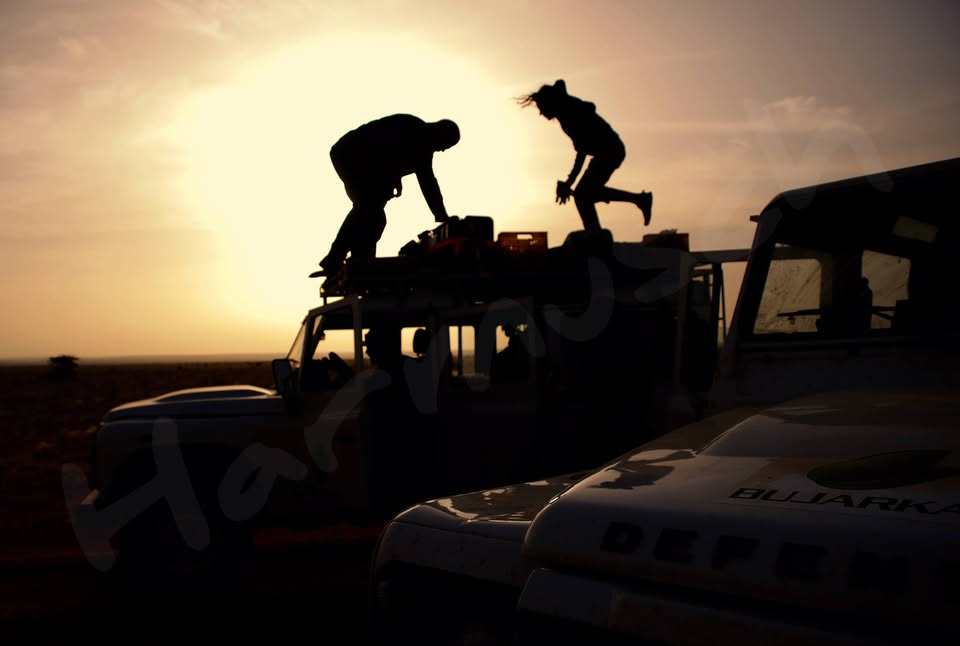
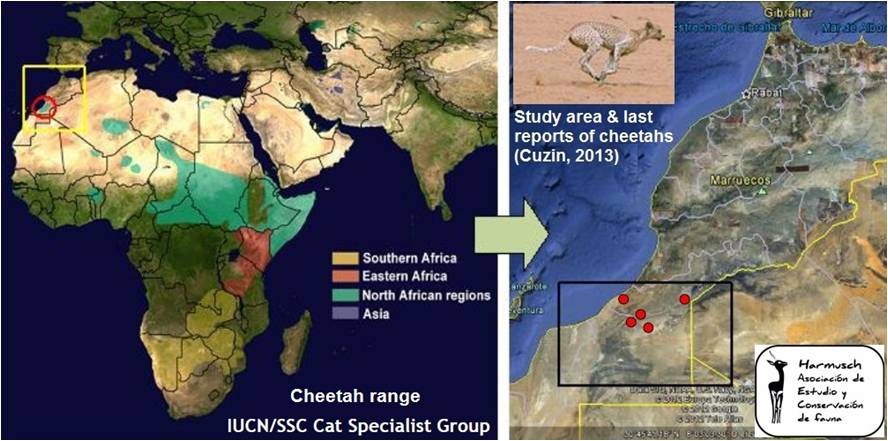
Since 2010 we have been carrying out a series of faunal survey expeditions in the northern quadrant of Western Sahara, and the information gathered, the ideas generated, and the hope of helping restore what was once a fertile oasis led us to create Harmusch. The reason is simple: it gives us a legal identity with which to sign collaboration agreements, obtain scientific permits, and secure…
Areas of action
Where we work
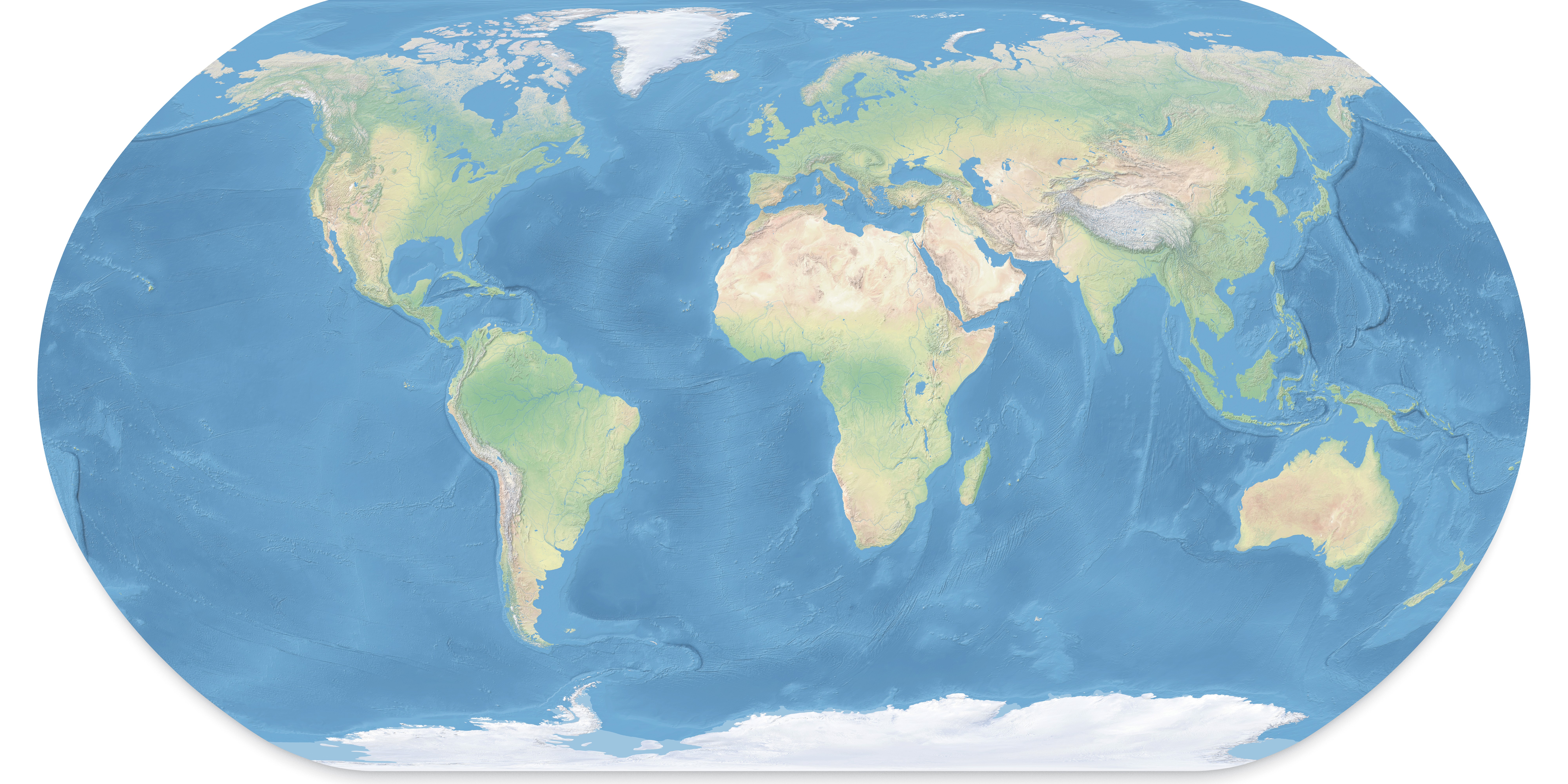
From the hyperarid deserts of the Sahara to the highlands of the Himalayas and the Mediterranean forests: Harmusch carries out projects in some of the most demanding ecosystems on the planet.
Atlantic Sahara (Morocco)
Long-term research on Saharan fauna: carnivores, ungulates, and small mammals
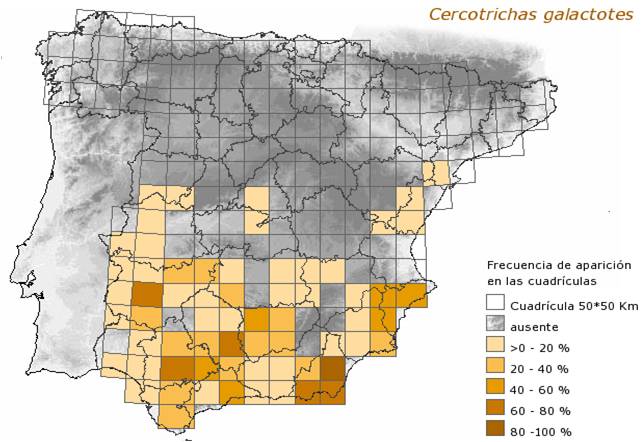
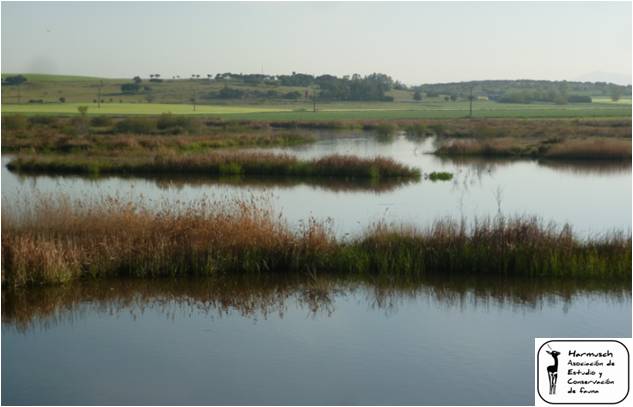
Iberian Peninsula
Conservation of wildcat, Iberian lynx, rufous-tailed scrub robin, otter and birds of prey
Middle Atlas (Morocco)
Survey of caracal and study of carnivore community
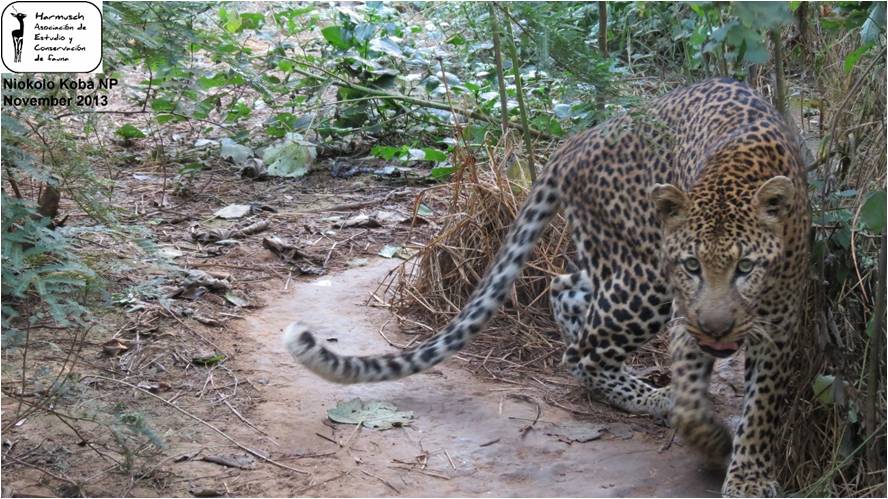
Senegal (Niokolo-Koba)
Assessment of large carnivores and ungulates in the National Park
India, Argentina, Colombia
Occasional expeditions and international collaborations
Focus species
Projects
Scientific research in progress
Wildlife inventories, species status assessments and ecological baselines to guide effective conservation policies.
Gallery
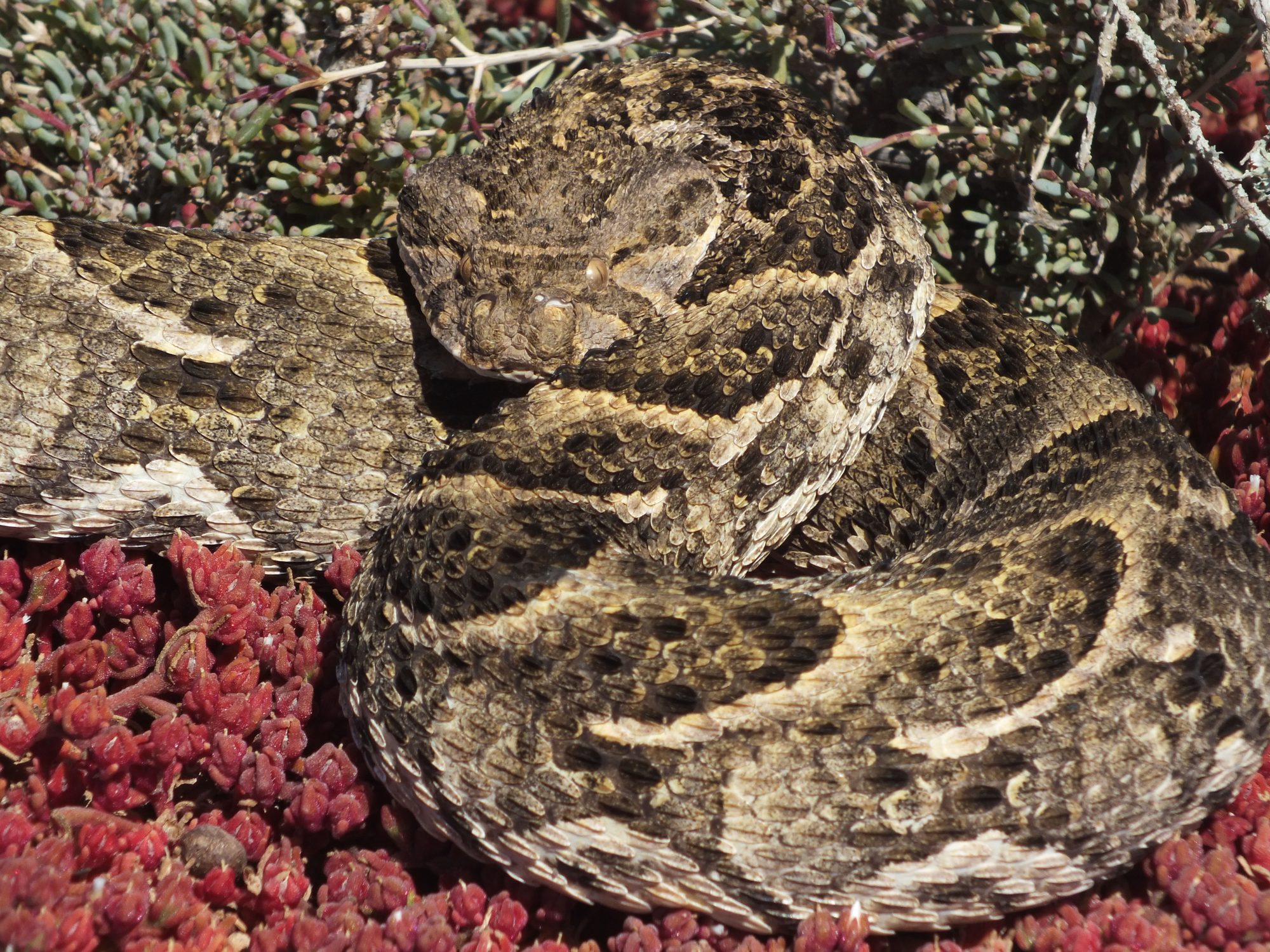
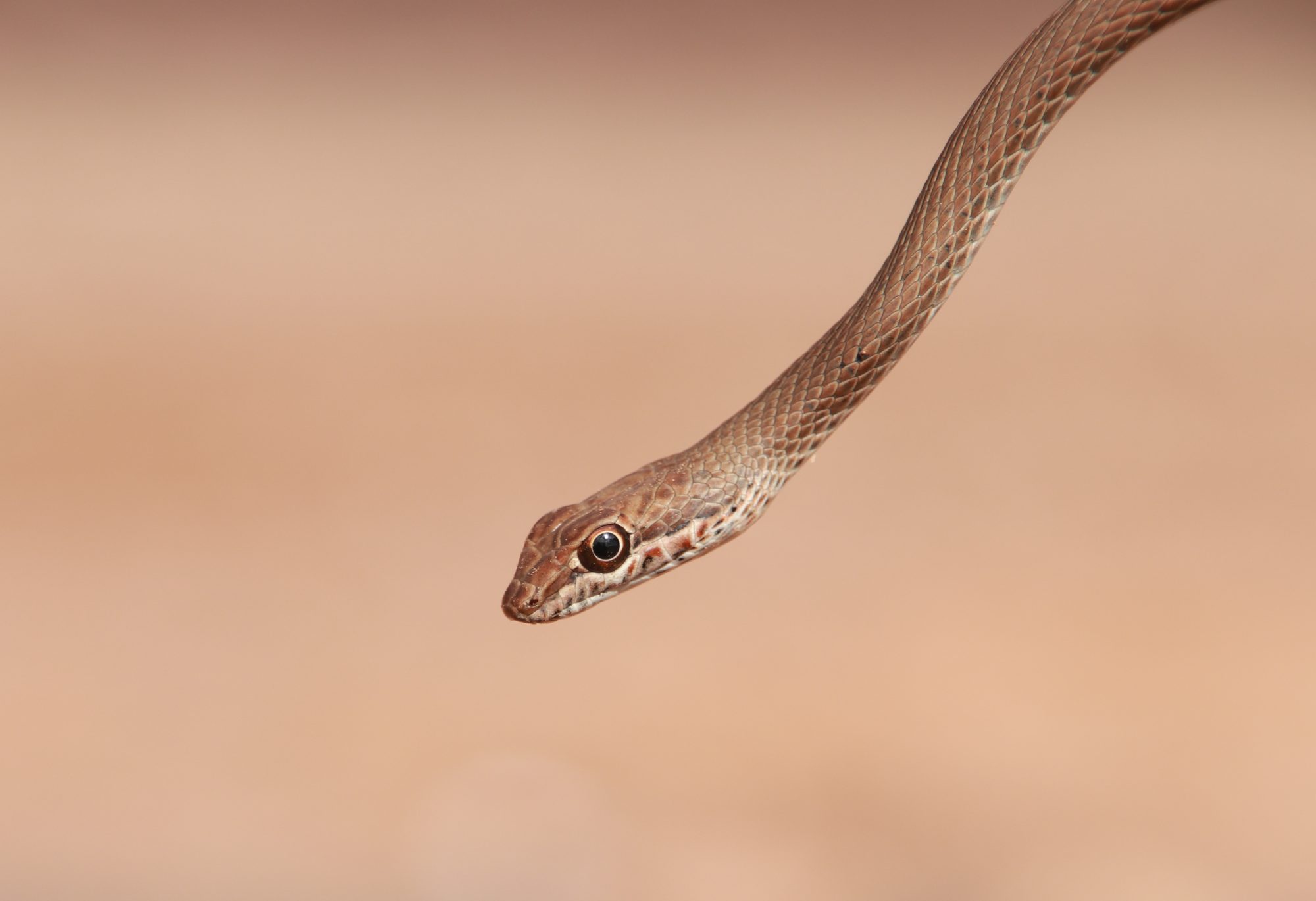
The wildlife we study
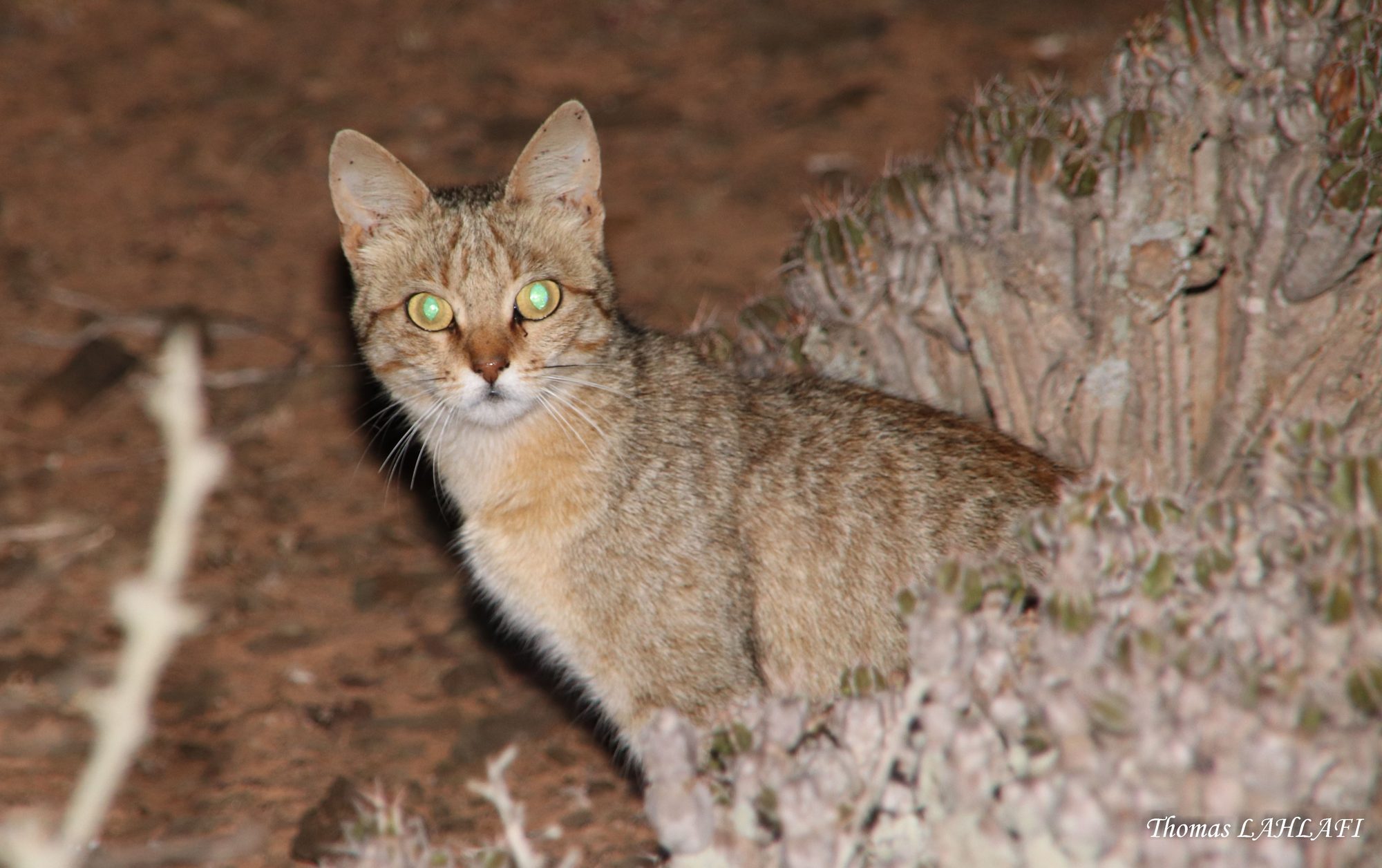
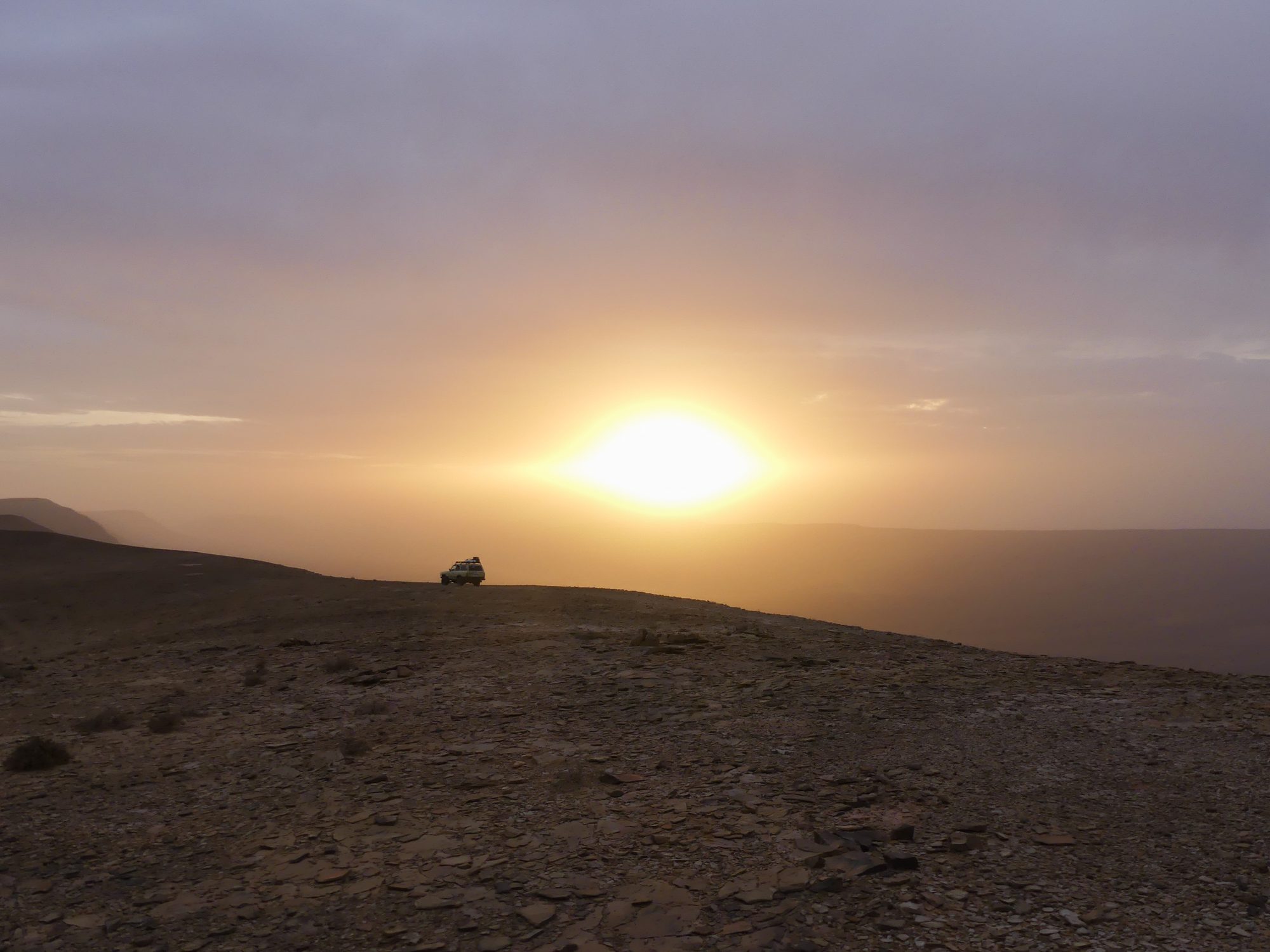
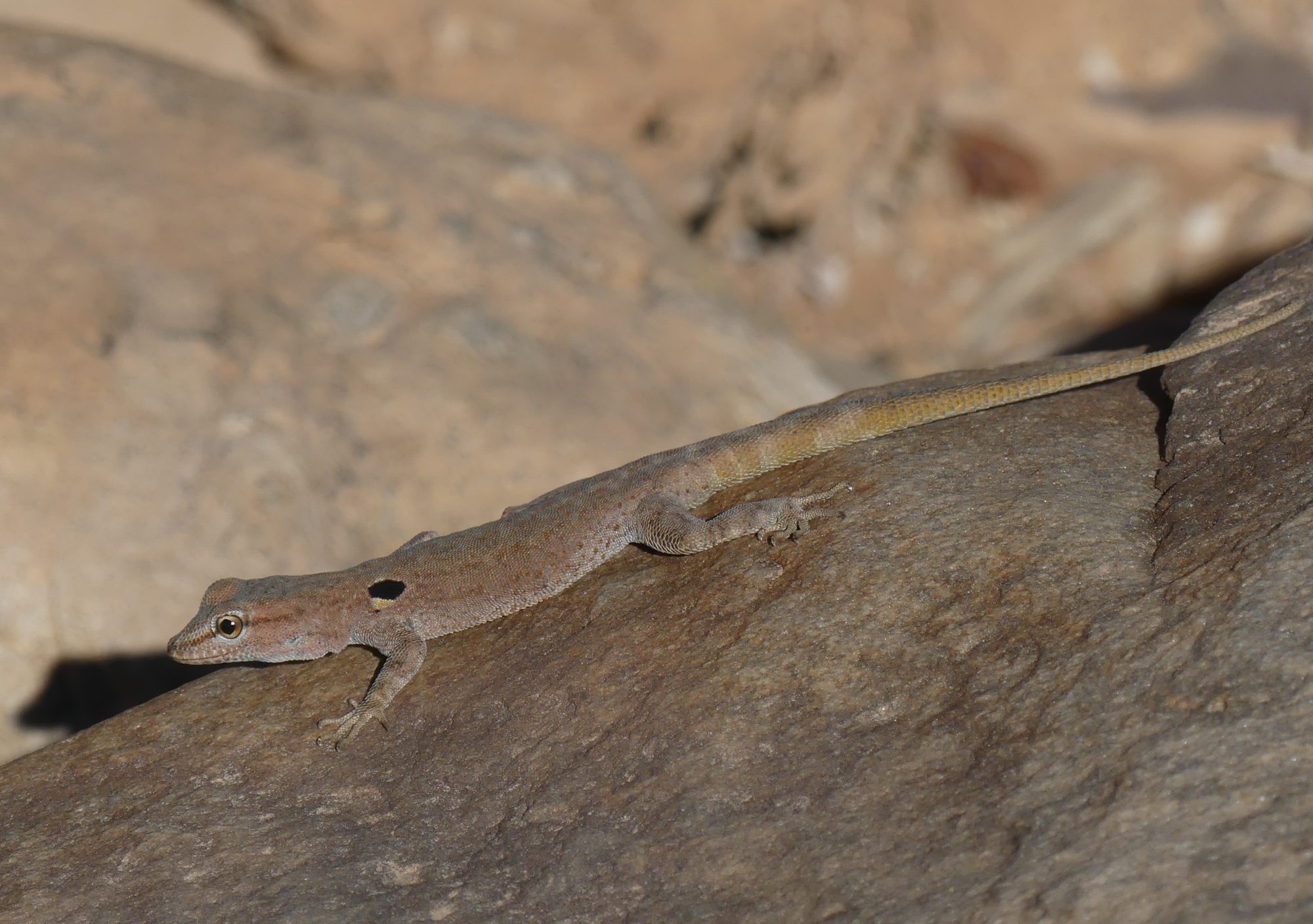
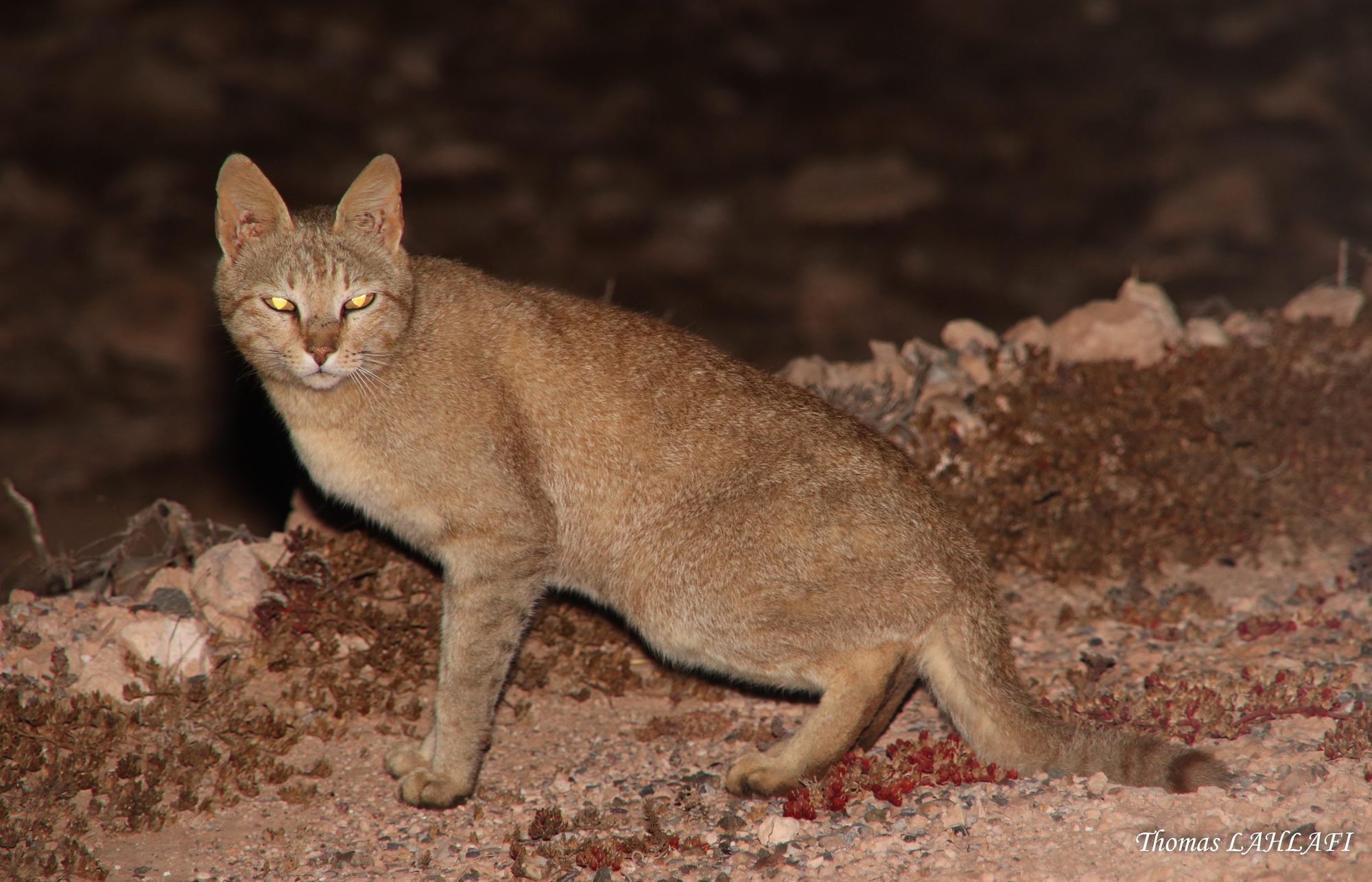
A small sample of the species and landscapes documented during our expeditions.
Collaborators
We work with scientific institutions
Our projects are carried out in close collaboration with leading Spanish and Moroccan research and conservation bodies.
Estación Experimental de Zonas Áridas (EEZA-CSIC)
Spain
Universidad Rey Juan Carlos
Spain
Estación Biológica de Doñana (EBD-CSIC)
Spain
Universidad de Granada
Spain
Sociedad de Historia Natural de Castilla-La Mancha
Spain
CRFS El Chaparrillo
Spain
EcoSistema Consultores
Spain
Grupo Naturalista Fash Al Ballut
Spain
Fundación Zoo de Barcelona
Spain
Institut Scientifique de Rabat, Université Mohammed V
Morocco
Agence Nationale des Eaux et Forêts (ANEF)
Morocco
Parc National d'Ifrane
Morocco
Université Ibn Tofail
Morocco
Fundación Living Planet Morocco
Morocco
Asociación Tabiaa Bilahodoud (Assa)
Morocco
GOMAC
Morocco
GREPOM
Morocco
CIBIO/InBIO, Universidad de Porto
Portugal
Universidad de Oxford (WildCRU)
United Kingdom
Universidad Nacional del Comahue
Argentina
UICN-Mediterráneo
International
Fundación Panthera
International
Vulture Conservation Foundation (VCF)
International
Fundación MAVA (Safe Flyways)
International
Parque Nacional de Niokolo Koba
Senegal

Join the project
Every expedition, every camera trap, every scientific paper counts.
If you want to collaborate, propose a research project, or financially support our work, get in touch. Your help allows us to continue documenting endangered species in remote regions.