

About us
Science at the service of endangered wildlife.
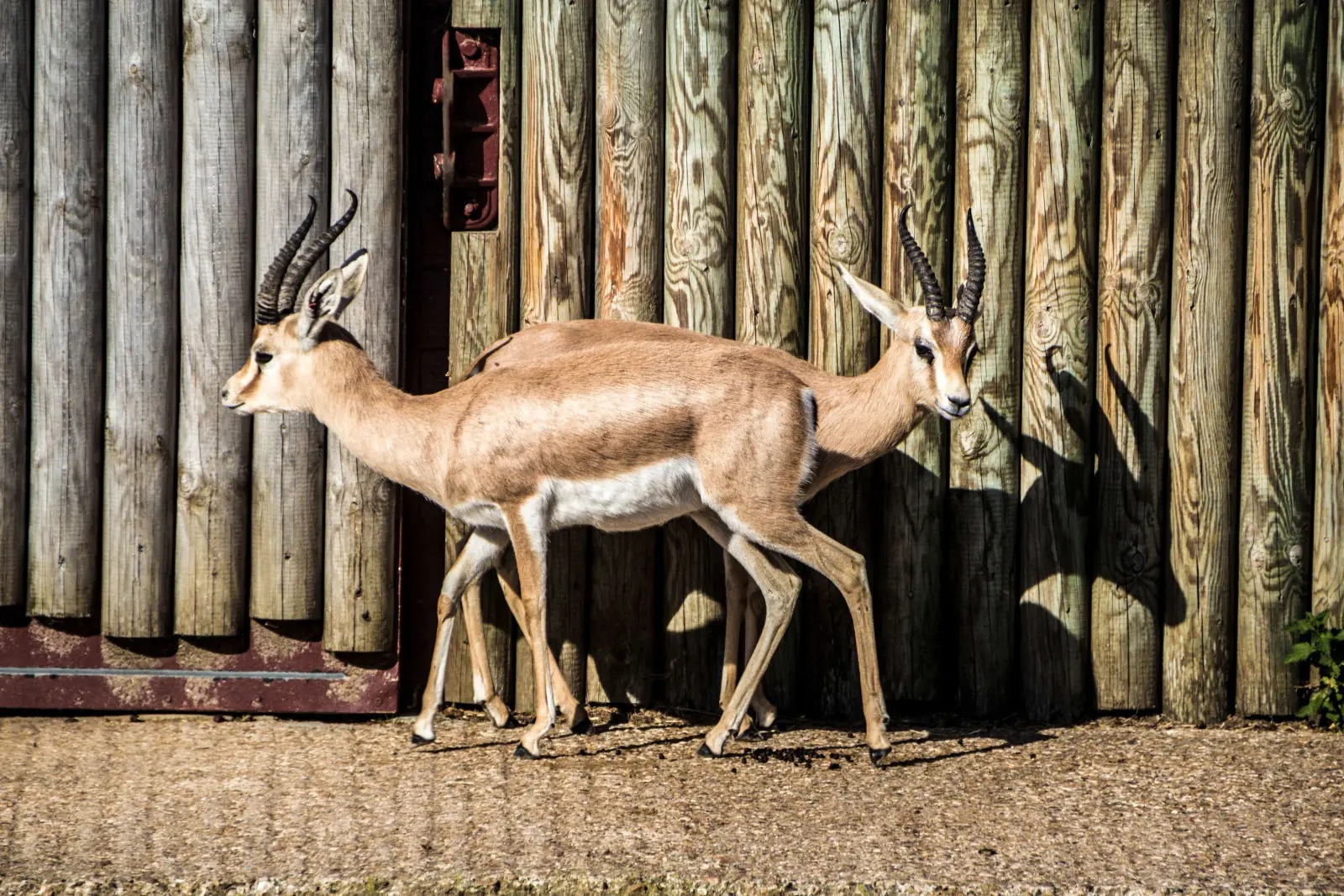
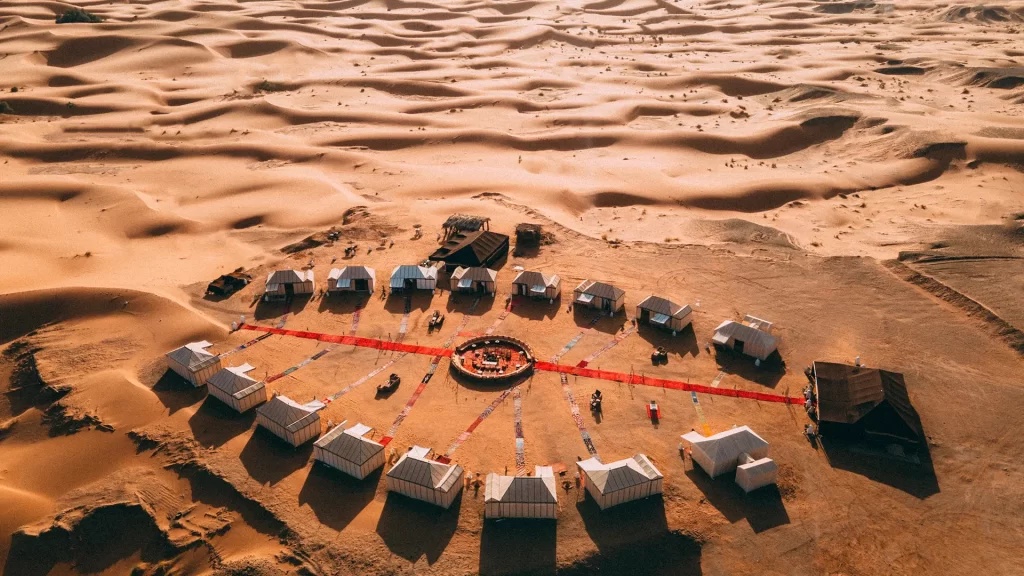
Harmusch is the Hassani name for Cuvier's gazelle. We decided to name Harmusch this way as a small tribute to one of many species on the brink of extinction, but also as a tribute to the beautiful Saharan landscapes.
Our story
We were born in 2010 with a simple yet demanding idea: to document and conserve endangered wildlife.
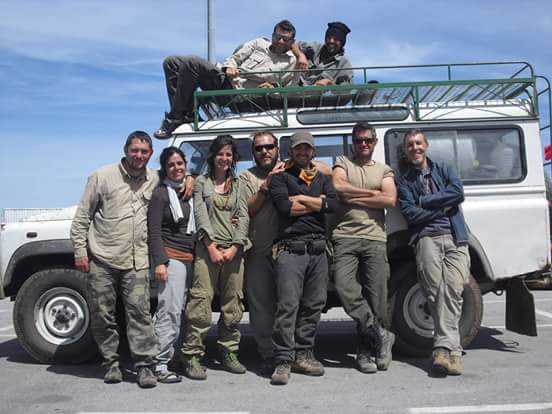
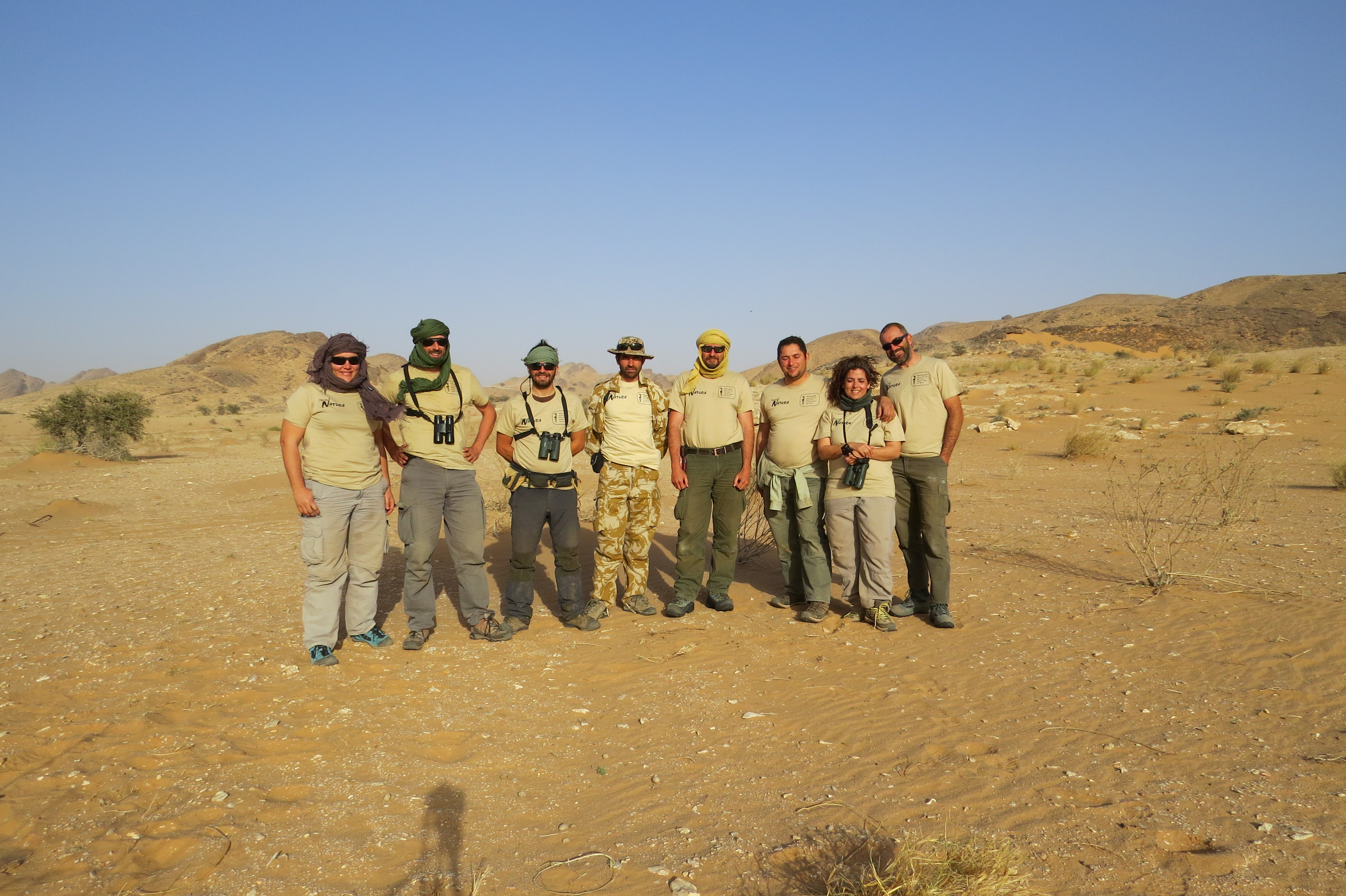
Since 2010 we have been carrying out a series of faunal survey expeditions in the northern quadrant of Western Sahara, and the information gathered, the ideas generated, and the hope of helping restore what was once a fertile oasis led us to create Harmusch.
The reason is simple: it gives us a legal identity with which to sign collaboration agreements, obtain scientific permits, and secure funding.
Harmusch's scope of action is not limited to desert environments. We have undertaken expeditions to places as remote as the Himalayas, various African countries (Senegal, Zambia, South Africa, etc.), Patagonia, and the Andes. Any place that may harbor fauna on the brink of extinction is the target of our efforts.
We currently collaborate with the Experimental Station of Arid Zones (CSIC). Our intention is to launch a long-term research and conservation program in collaboration with the High Commission for Water, Forests and the Fight against Desertification of the Government of Morocco and with the Scientific Institute of Rabat, Université Mohammed V (Dr. Abdeljebbar Qninba). We have already completed these initial surveys and are now finalizing the collaboration agreements, in which Rey Juan Carlos University participates as the Spanish scientific institution.
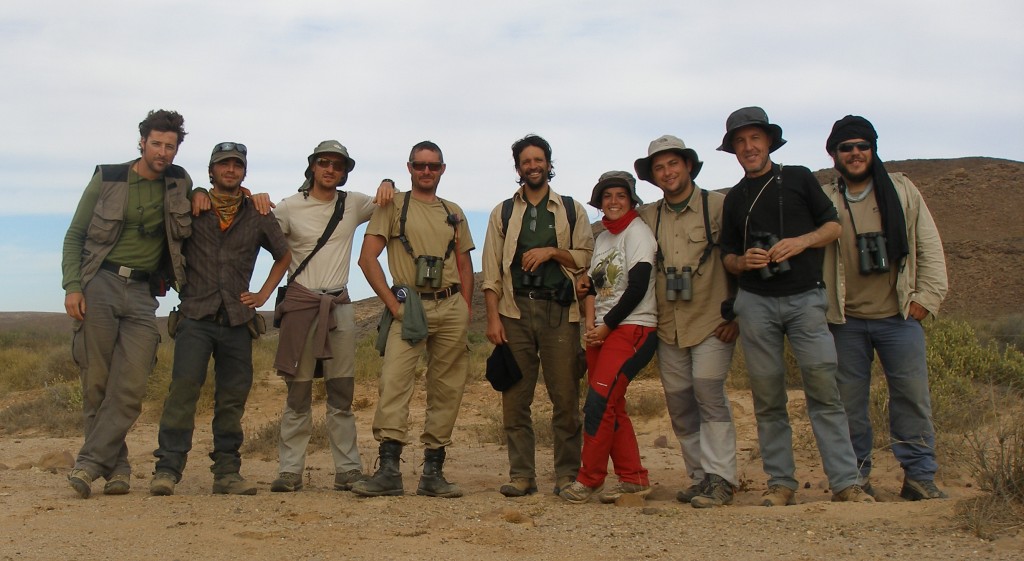
The group is made up of biologists and naturalists, with extensive demonstrable experience in wildlife management and conservation projects, involving species such as the Iberian lynx, Spanish imperial eagle, Bonelli's eagle, Egyptian vulture, black vulture, peregrine falcon, otter, bats, Iberian wolf, gray wolf, puma, jaguar, as well as Saharan fauna. Among all members they have more than one hundred publications, both scientific (many in journals of international impact) and outreach technical-scientific publications.
Our objectives
What we work for
Conserve wildlife and its habitat
Conduct scientific studies that support conservation strategies
Disseminate the knowledge acquired to raise awareness in society
How we work
Three principles that underpin everything we do
Scientific rigour
Our management decisions are grounded in data: field surveys, camera trapping and peer-reviewed publications.
Effective conservation
We focus on threatened species and fragile habitats, prioritising interventions with measurable impact.
Independence and transparency
Non-profit organisation: funding goes to expeditions, equipment and scientific outreach.
Areas of action
Where we work
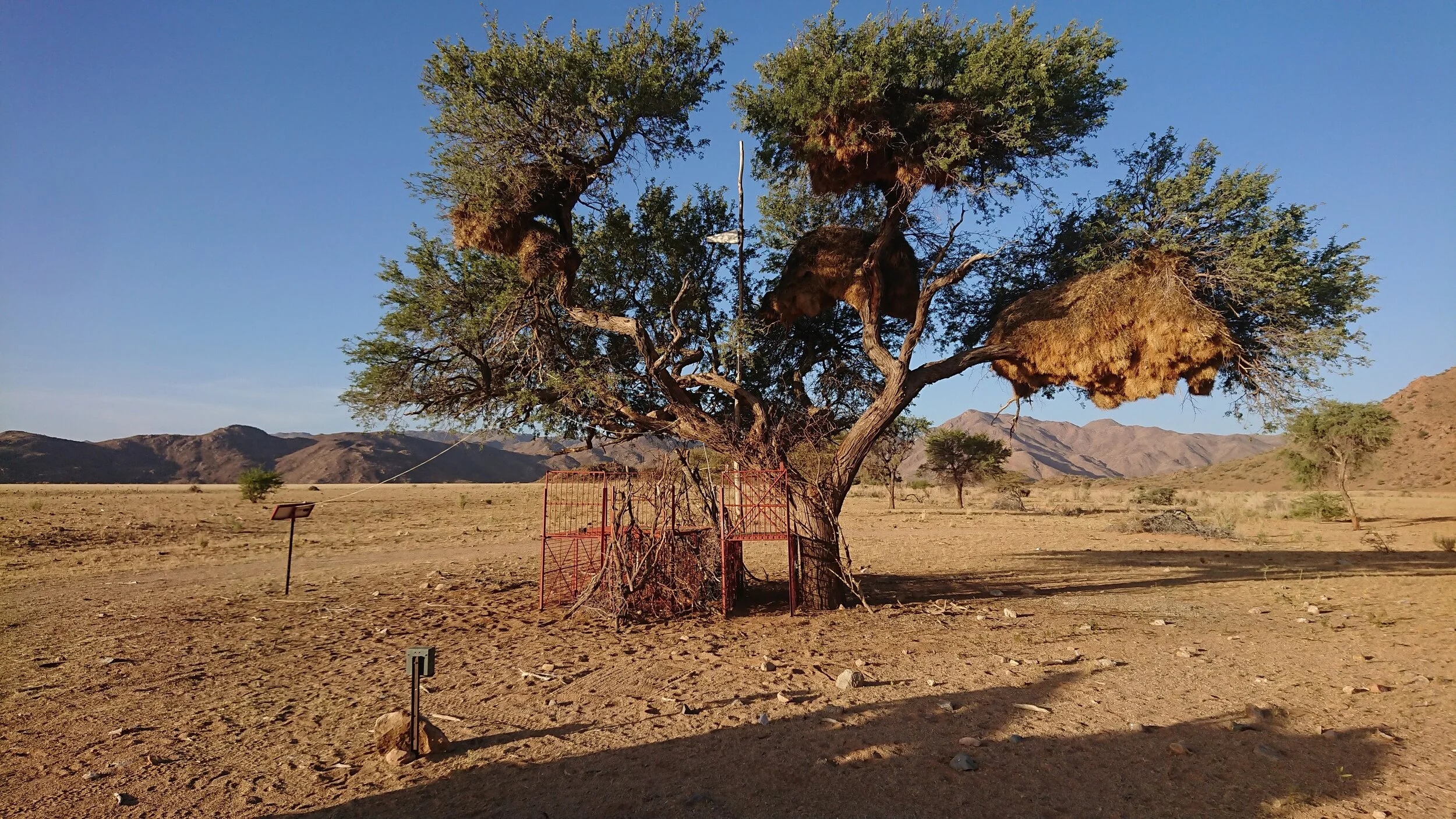
Although our focus is on the northern quadrant of the Atlantic Sahara, we have led or participated in projects on all five continents.
Atlantic Sahara (Morocco)
Long-term research on Saharan fauna: carnivores, ungulates, and small mammals
Iberian Peninsula
Conservation of wildcat, Iberian lynx, rufous-tailed scrub robin, otter and birds of prey
Middle Atlas (Morocco)
Survey of caracal and study of carnivore community
Senegal (Niokolo-Koba)
Assessment of large carnivores and ungulates in the National Park
India, Argentina, Colombia
Occasional expeditions and international collaborations
Focus species
“Each expedition brings us a little closer to understanding and protecting what remains of the wild.”
— Team Harmusch
Collaborators
Institutions we work with
Over more than a decade, Harmusch has built a network of collaborations with universities, research centres, public agencies and conservation organisations across several countries.
25
collaborators
7
countries
Universities & research centres9
Estación Experimental de Zonas Áridas (EEZA-CSIC)
Spain
Universidad Rey Juan Carlos
Spain
Estación Biológica de Doñana (EBD-CSIC)
Spain
Universidad de Granada
Spain
Institut Scientifique de Rabat, Université Mohammed V
Morocco
Université Ibn Tofail
Morocco
CIBIO/InBIO, Universidad de Porto
Portugal
Universidad de Oxford (WildCRU)
United Kingdom
Universidad Nacional del Comahue
Argentina
Government & public agencies3
Agence Nationale des Eaux et Forêts (ANEF)
Morocco
Parc National d'Ifrane
Morocco
Parque Nacional de Niokolo Koba
Senegal
NGOs & conservation entities9
Sociedad de Historia Natural de Castilla-La Mancha
Spain
CRFS El Chaparrillo
Spain
EcoSistema Consultores
Spain
Grupo Naturalista Fash Al Ballut
Spain
Fundación Zoo de Barcelona
Spain
Fundación Living Planet Morocco
Morocco
Asociación Tabiaa Bilahodoud (Assa)
Morocco
GOMAC
Morocco
GREPOM
Morocco
International organisations4
UICN-Mediterráneo
International
Fundación Panthera
International
Vulture Conservation Foundation (VCF)
International
Fundación MAVA (Safe Flyways)
International
Collaborating researchers
People who make our research possible
Researchers, professors and external specialists with whom Harmusch has collaborated on field projects and scientific publications.
Dr. Abdeljebbar Qninba
Institut Scientifique de Rabat, Université Mohammed V
Principal collaborator in projects in the Atlantic Sahara
Prof. Claudio Sillero
Wildlife Conservation Research Unit (WildCRU), Universidad de Oxford
Leadership of the megafauna inventory project in West Africa
Dr. Emilio Virgós
Universidad Rey Juan Carlos
Principal researcher in studies of carnivores and wildcat
Dr. Jennifer A. Leonard
Estación Biológica de Doñana (EBD-CSIC)
Conservation genetics and molecular analysis of Saharan carnivores
Dr. Teresa Abáigar
Estación Experimental de Zonas Áridas (EEZA-CSIC)
Research in the ecology and conservation of Saharan ungulates
Dr. Paulo Célio Alves
CIBIO/InBIO, Universidad de Porto
Demographic genetics of gazelles and analysis of cheetah samples
Dr. Anne Schmidt-Küntzel
Cheetah Conservation Fund
Genetic analysis of doubtful Saharan cheetah samples
Dr. Sidi Imad Cherkaoui
Université Ibn Tofail
Co-direction of surveys of caracal and felines in the Atlas
Thomas Lahlafi
Université Ibn Tofail
Doctoral researcher in surveys of threatened felines
Dr. Teresa Burgos
Universidad Rey Juan Carlos
Research on ecological cascades and restoration of apex predators
Cristina Sarabia
EEZA-CSIC
Research on the trophic niche of carnivores in the Sahara
Dr. Jorge Cassinello
EEZA-CSIC
Ecology and conservation of North African ungulates
Documents
Dossier and institutional documentation
Downloadable material about our projects, activities and distinctions.