

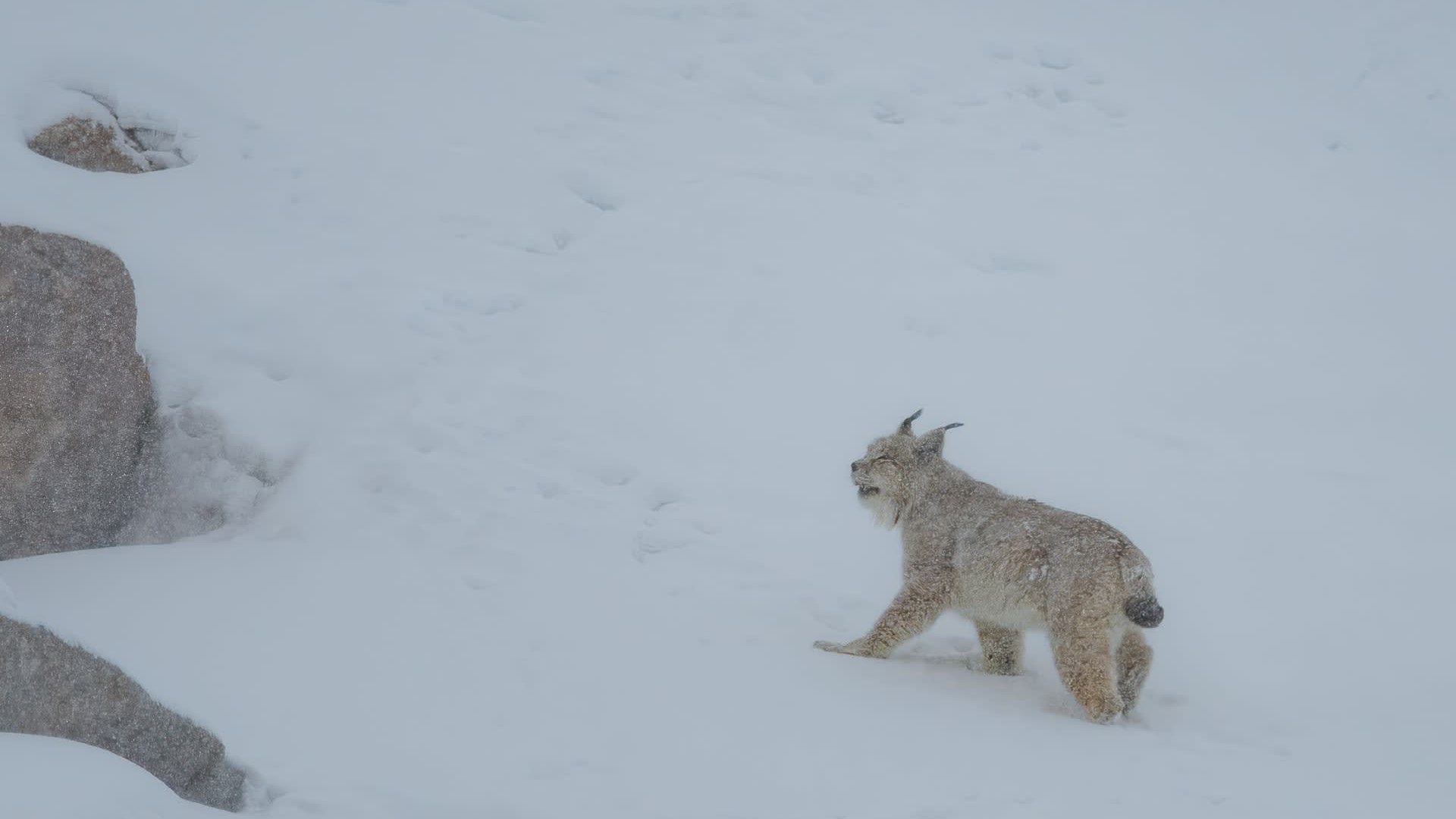
In 2010, members of Harmusch carried out an expedition to Hemis National Park, in the Ladakh region (Indian Kashmir), to study the biology and ecology of the Himalayan lynx (Lynx lynx isabellinus), one of the least known lynx subspecies in the world.
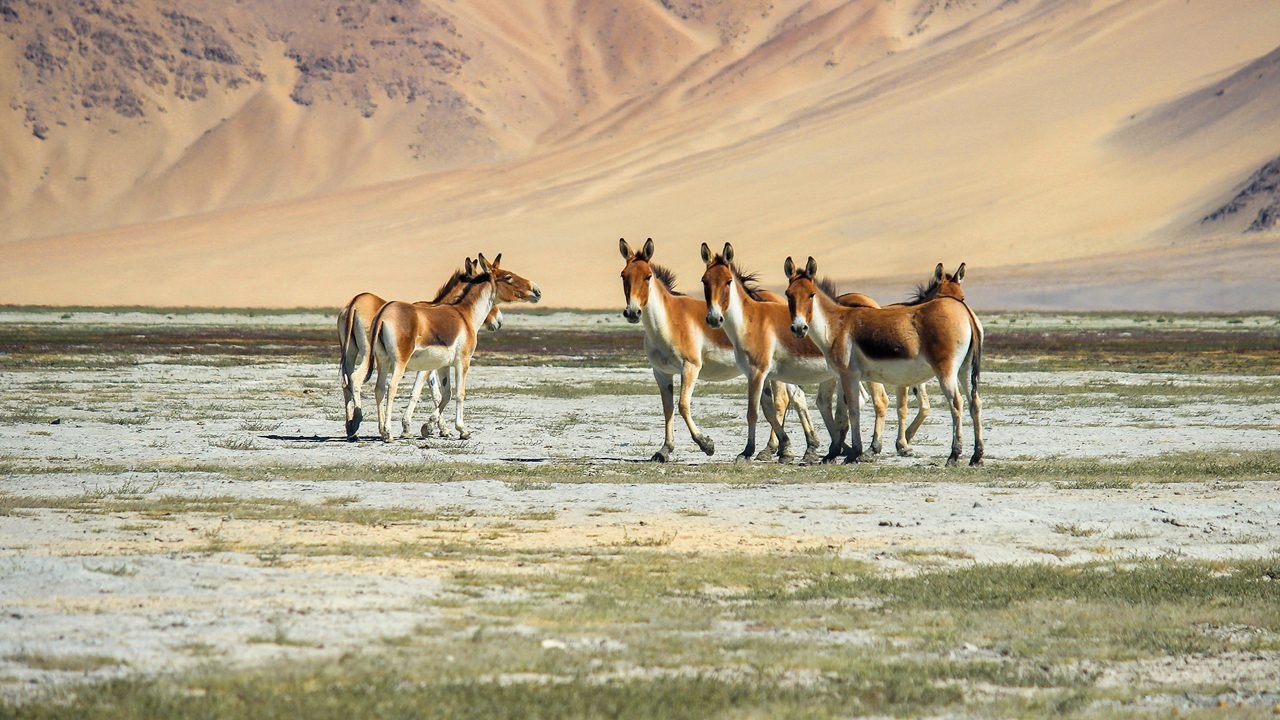
The scientific literature at the time suggested that the species may have become locally extinct in some areas of its historical range, due to habitat loss and land-use changes. The Harmusch team ventured into the Nubra Valley and the surroundings of Hemis, working at altitudes above 4,000–5,000 meters in extreme environmental conditions.
The methodology combined traditional tracking — searching for footprints and scat in the snow and among the rocks — with the installation of camera traps at strategic passes. The efforts were rewarded: the team managed to confirm that the lynx had not become extinct in the region, discovering signs and finally obtaining photographic evidence of a family group with cubs, demonstrating the existence of stable breeding populations.
The results were presented at the XI Congress of the Spanish Society for the Conservation and Study of Mammals (SECEM) in 2013 and were also disseminated in Naukas and in the magazine Mètode. This expedition illustrates Harmusch's philosophy: going to look for "doomed" wildlife in the most remote regions of the planet to verify whether it has truly disappeared.
Keywords
Methodology
- Survey routes: Traditional tracking of footprints and scat in high mountains at more than 4,000 m altitude
- Camera trapping: Installation of camera traps at strategic passes in the Nubra Valley and Hemis National Park
- Expeditions carried out: Several-week field expedition in the Ladakh region (Indian Kashmir)
Results
- Population: Confirmation of stable breeding populations: photographic evidence of a family group with cubs
- Threats identified: Habitat loss, poaching, and reduced prey as the main regional threats