

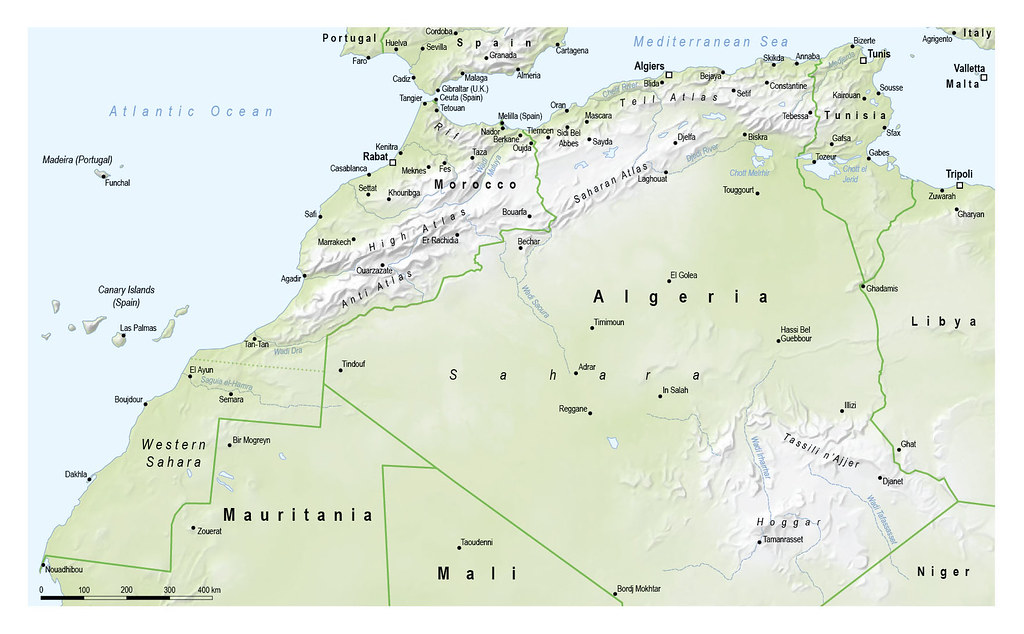
In 2019, the first national census of diurnal cliff-nesting raptors in Morocco was carried out as part of the so-called Atlas Programme, a long-term initiative driven by the IUCN Mediterranean Cooperation Centre (IUCN-Med) and the Département des Eaux et Forêts (DEF) of Morocco, with technical support from the Regional Government of Andalusia and funding from the MAVA Foundation through the Safe Flyways project (2017–2020).
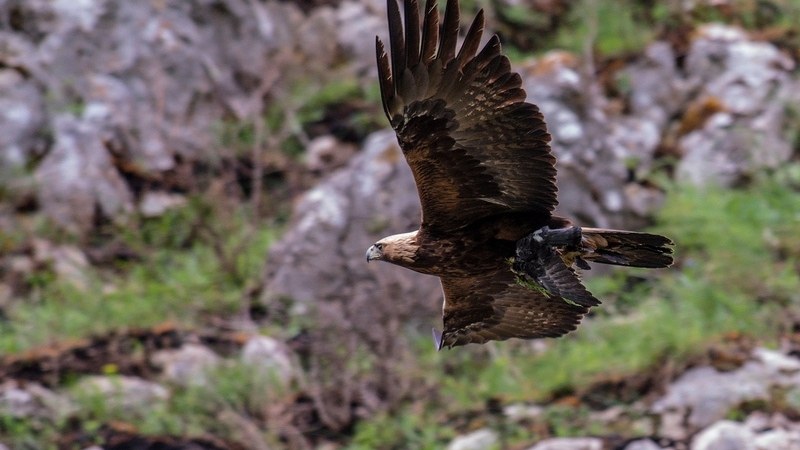
The main objective was to establish a baseline on the geographic distribution and conservation status of the country’s large cliff-nesting raptors, including the following target species: golden eagle (Aquila chrysaetos), Bonelli’s eagle (Aquila fasciata), rufous-tailed buzzard (Buteo rufinus), lanner falcon (Falco biarmicus), peregrine/Barbary falcon (Falco peregrinus/pelegrinoides), lesser kestrel (Falco naumanni), bearded vulture (Gypaetus barbatus), griffon vulture (Gyps fulvus), Rüppell’s vulture (Gyps rueppellii), Egyptian vulture (Neophron percnopterus), and osprey (Pandion haliaetus).
Harmusch actively participated in the fieldwork alongside a broad consortium of 16 national and international organizations, including GOMAC, ASARA, GREPOM, GREFA, and the Vulture Conservation Foundation (VCF), as well as experts and volunteers from Morocco, Spain, France, and Portugal.
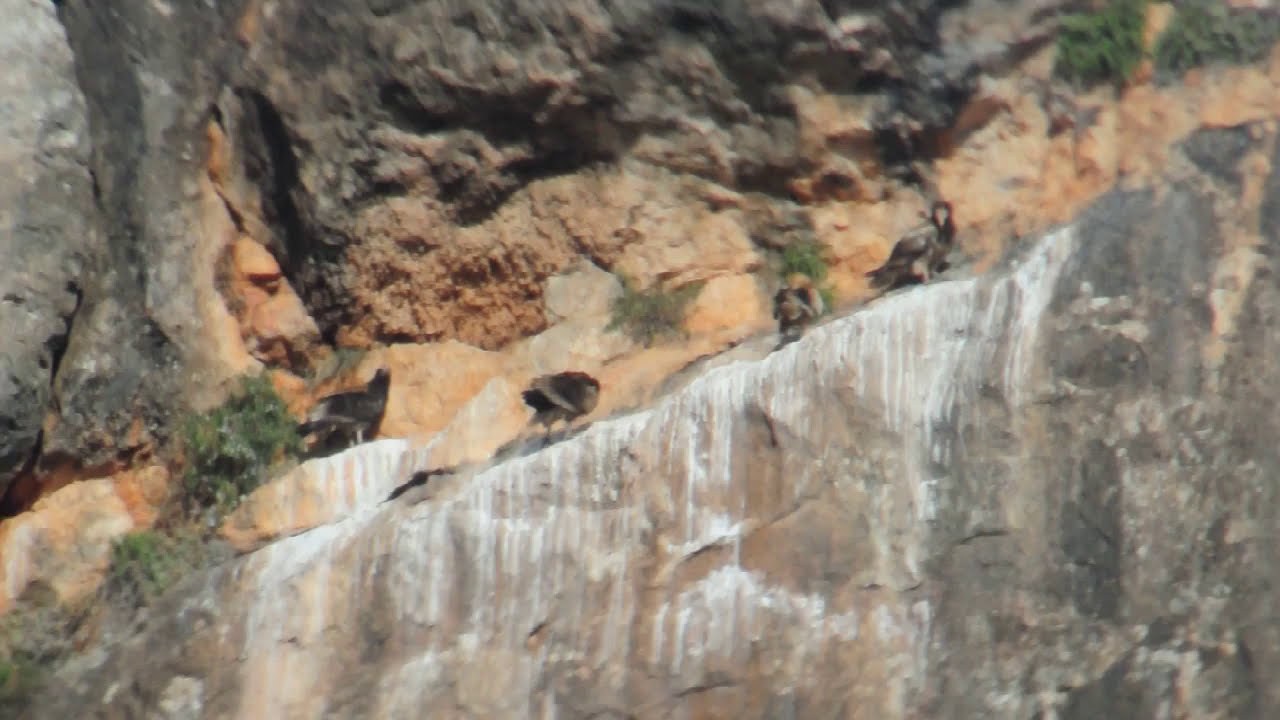
Throughout 2019, 12 major field missions and numerous supplementary outings were carried out. The census identified 766 potential nesting sites for cliff-nesting raptors, of which 712 were confirmed as sites of the target species and 623 were occupied during the 2019 season.
A critical component of the study was the assessment of non-natural mortality. Approximately 400 km of power lines were inspected and 2,318 poles were characterized, finding the remains of at least 211 birds of prey beneath the lines, which confirmed electrocution as one of the main threats to these populations, both breeding and migratory.
The census results were presented at a workshop held in Rabat in January 2020 and have been fundamental for the development of a national raptor conservation strategy in Morocco, addressing threats such as habitat fragmentation, poaching, poisoning, and the impact of power infrastructure.
Keywords
Methodology
- Survey routes: 12 field missions and numerous supplementary outings throughout 2019
- Camera trapping: Inspection of 400 km of power lines and characterization of 2,318 poles
- Expeditions carried out: Coordinated surveys on cliffs and escarpments across Morocco with teams from 16 organizations
Results
- Ungulates: 766 potential nesting sites identified, 712 confirmed, 623 occupied territories in 2019
- Threats identified: Remains of at least 211 birds of prey beneath power lines; electrocution confirmed as the main threat
Collaborators
- IUCN-Mediterranean
- Département des Eaux et Forêts (DEF, Morocco)
- Regional Government of Andalusia
- MAVA Foundation (Safe Flyways project)
- GOMAC
- GREPOM
- GREFA
- Vulture Conservation Foundation (VCF)
Derived publications
- UICN-Med, DEF & Gil-Sánchez, J.M. et al. (2020). Premier dénombrement national des rapaces rupicoles diurnes du Maroc — Résultats 2019. UICN-Méditerranée / Département des Eaux et Forêts du Maroc